Side hustles you have never heard of before

Los Angeles Side Hustle Ideas: Capitalizing on the City’s Pain Points
Los Angeles’ dysfunction isn’t just a headline—it’s a series of market gaps waiting to be filled. By turning chaos into actionable services, you can build profitable side hustles while solving tangible problems for residents and businesses alike.
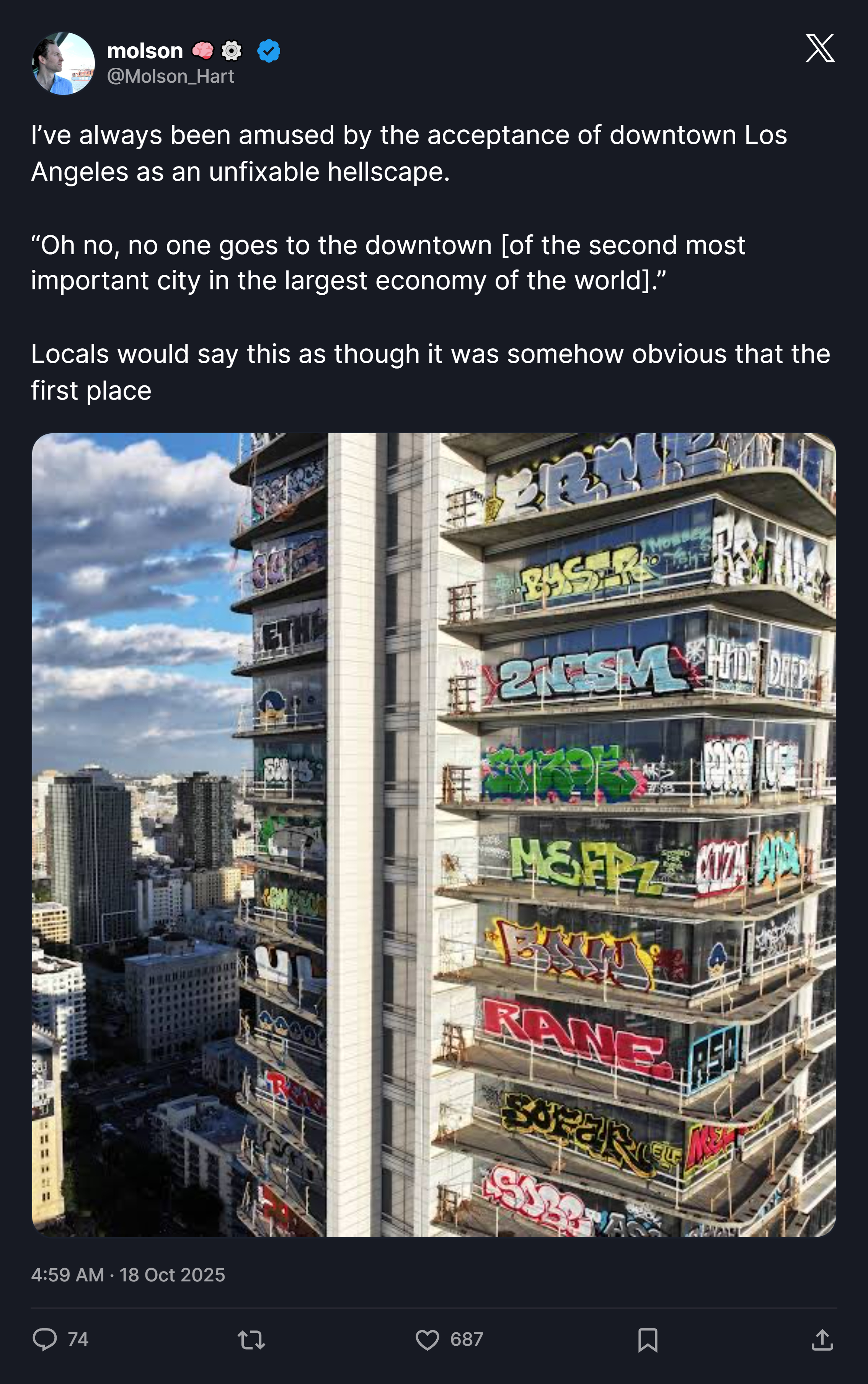
Los Angeles is a city of extremes: luxury condos shadowed by tent cities, iconic streets clogged with gridlocked traffic, and neighborhoods where public services barely function.
While the city struggles, opportunity exists for those willing to navigate the cracks in the system.
Here’s a guide to turning LA’s dysfunction into income streams.

1. Encampment Cleanup & Property Security Services
-
What it is: Offer “tent removal” and private property monitoring for businesses, landlords, or residents.
-
Why it works: Homeless encroachment and theft leave property owners desperate for solutions.
-
Potential income: $50–$150/hour per site; recurring contracts for hotspot properties.
-
Extra edge: Combine cleanup with temporary fencing, signage, or deterrents to maximize client satisfaction.
2. High-Risk Parking & Traffic Management
-
What it is: Offer valet-style parking solutions or traffic guidance in areas with gridlock and street violence.
-
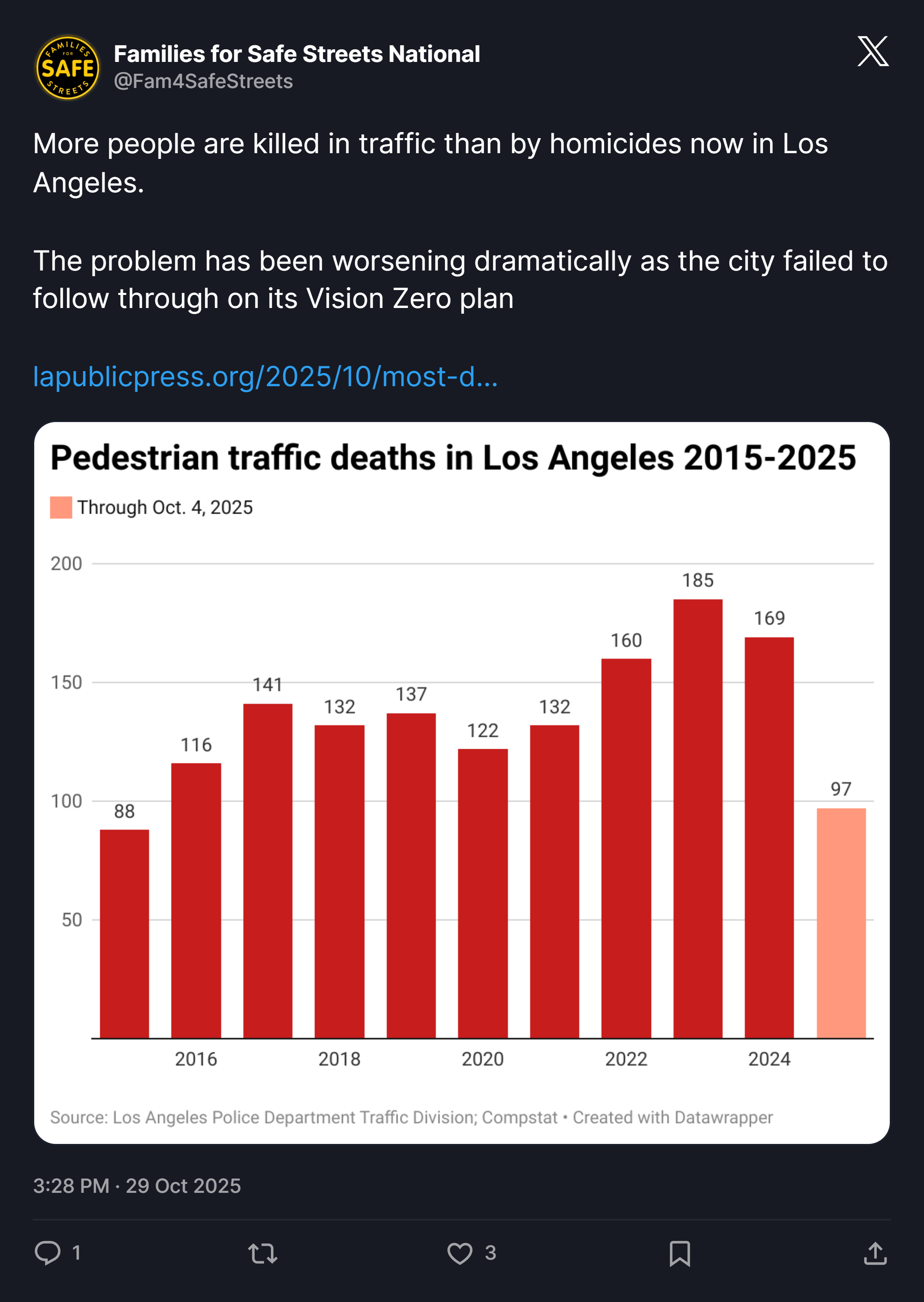
Why it works: Residents avoid driving in downtown LA; businesses need safe access for customers.
-
Potential income: $25–$75 per hour, plus tips; premium for VIP residential services.
3. Private Homeless Shelter & Aid Services
-
What it is: Small-scale shelters, daytime lounges, or “safe spaces” where the homeless can stay for a fee or donation.
-
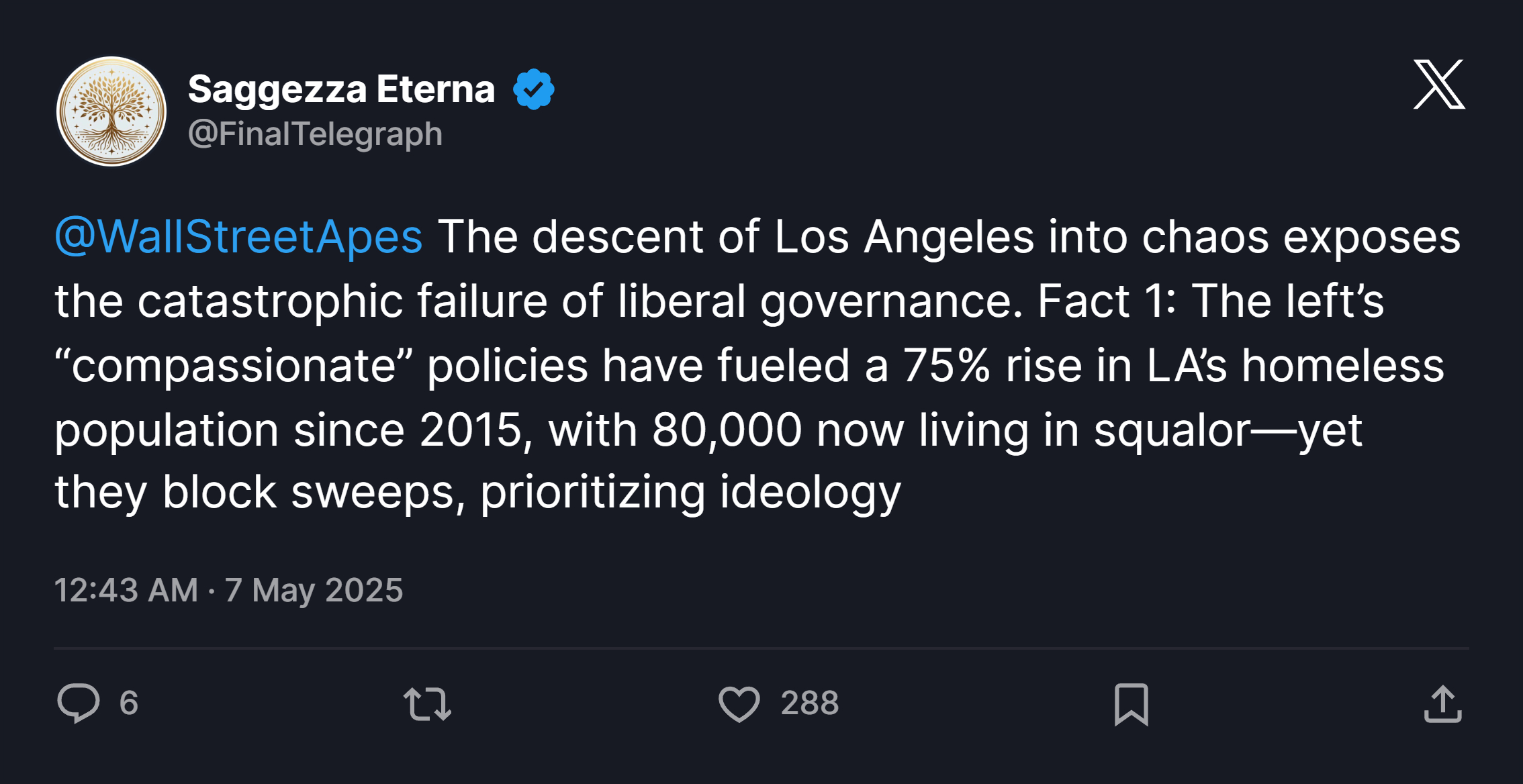
Why it works: The city has a 75% rise in homeless population since 2015, yet municipal services are slow or bureaucratic.
-
Potential income: $500–$3,000/month per space depending on amenities; optional premium add-ons like meals or lockers.
-
Extra edge: Combine with social services or charitable branding for trustworthiness and tax benefits.
4. Loot Recovery & Asset Protection
-
What it is: Help businesses or residents recover stolen property or install systems to deter theft.
-
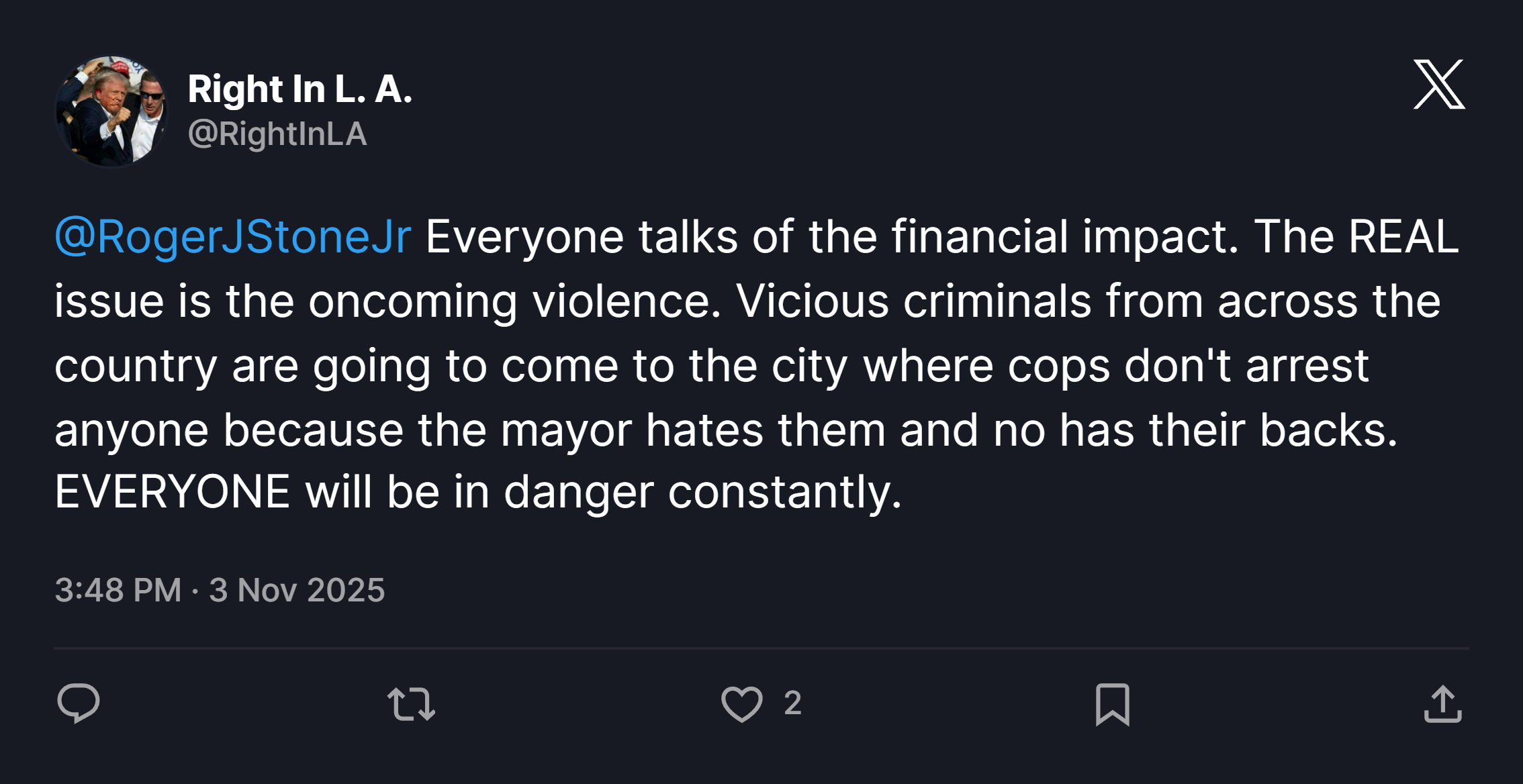
Why it works: Rising crime and vagrancy make security a top concern.
-
Potential income: $75–$200 per incident for recovery, plus retainers for ongoing surveillance.
5. Fire Risk Consulting & Encampment Hazard Management
-
What it is: Offer inspections, risk assessments, and fire safety interventions for properties near high-risk areas.
-
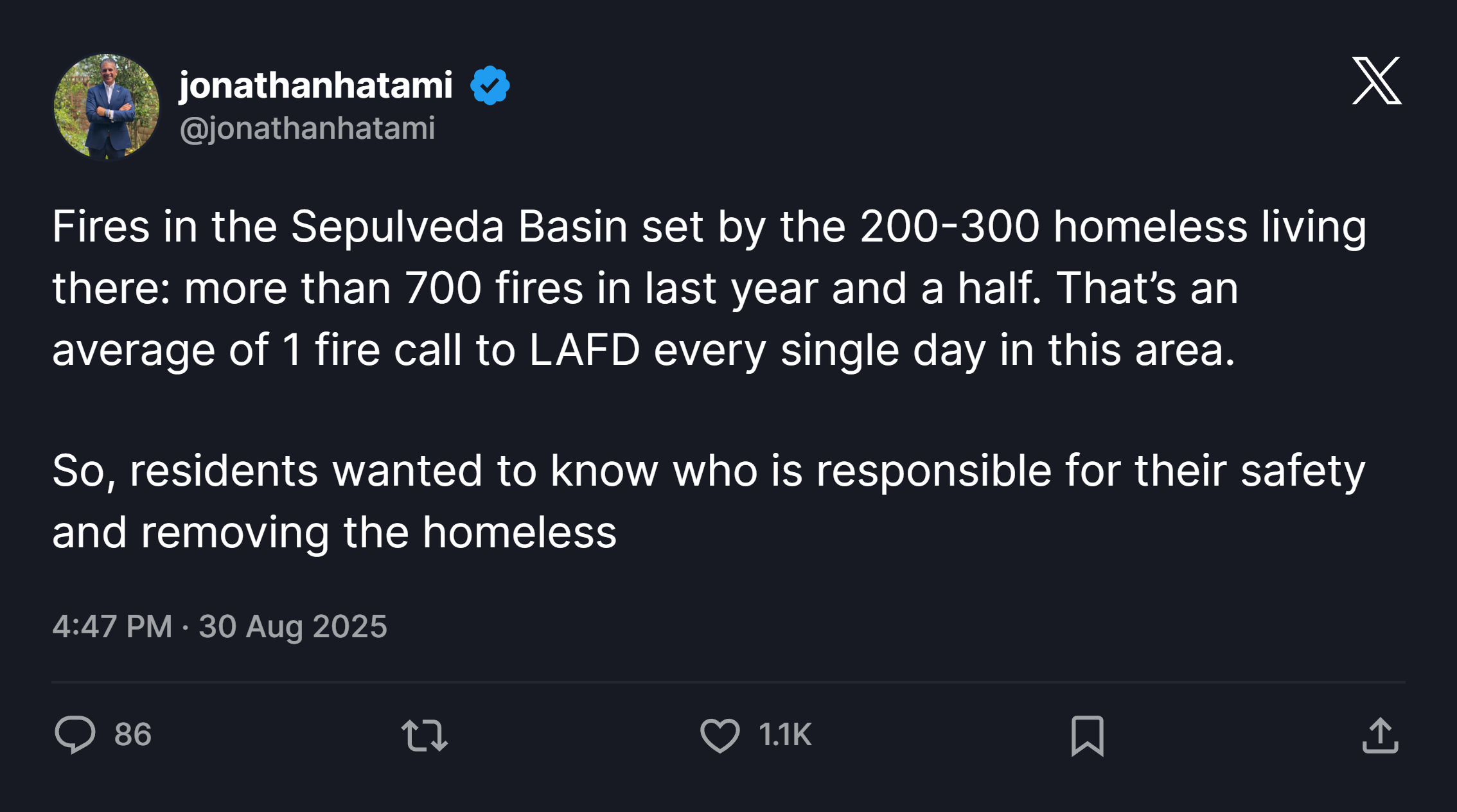
Why it works: Fires set by encampments or neglected infrastructure are frequent. Clients want peace of mind.
-
Potential income: $500–$1,500 per property assessment; recurring contracts for ongoing monitoring.
6. Guided Urban Survival Tours
-
What it is: Create walking or driving tours through “unfixable” areas, teaching visitors about LA’s urban collapse, street safety, or survival skills.
-
Why it works: High curiosity and fascination with “Skid Row,” Venice encampments, and abandoned districts.
-
Potential income: $50–$150 per participant; VIP or private tours can reach $500+ per group.
7. Temporary Housing & Storage Arbitrage
-
What it is: Rent small properties or vans to residents displaced by housing scarcity, or offer secure storage for people living in encampments.
-
Why it works: Skyrocketing housing costs and bureaucratic barriers leave people desperate for space.
-
Potential income: $1,000–$5,000/month per small unit or vehicle, depending on location and amenities.
8. Neighborhood Watch & Personal Safety Services
-
What it is: Contracted patrols, escort services, or alarm response for high-risk neighborhoods.
-
Why it works: Residents feel unsafe due to crime and police demoralization.
-
Potential income: $30–$100/hour, monthly subscriptions for ongoing coverage.
9. Encampment Logistics & Micro-Supply Services
-
What it is: Sell essentials—food, water, tents, blankets—to people living in encampments.
-
Why it works: Limited municipal support means high demand. Approach carefully: socially aware branding avoids legal issues.
-
Potential income: $500–$2,000/week in high-traffic areas.
10. Property Repair & Damage Mitigation
-
What it is: Offer clean-up, sanitation, and minor repairs for areas impacted by vandalism, traffic accidents, or encampments.
-
Why it works: Bureaucratic delays leave property owners paying out-of-pocket for urgent fixes.
-
Potential income: $50–$200/hour depending on complexity; add recurring contracts for high-risk zones.
11. Micro-Addictive “Collapse Simulation Games
Concept: Browser or mobile games simulating LA chaos: manage survival, avoid fires, navigate traffic, dodge crime.
Manipulation: Introduce random events, loot-box style rewards, and daily repeatable challenges. Create “completist” pressure loops where users feel they must log in every day.
Monetization: Ads, in-app purchases, exclusive NFT skins tied to local streets, or subscriptions for VIP events.
12. Crowdsourced Crime/Collapse Newsletters
Concept: Aggregate real X posts, Reddit threads, and news snippets about LA chaos. Include interactive features: maps, “hotspot alerts,” or AI-predicted crime/fire risk zones.
Manipulation: Use suspense hooks in subject lines: “Downtown LA Tonight: What Will Happen?” Small, repeated anxiety + curiosity loops keep readers opening daily.
Monetization: Paid subscriptions, affiliate links for safety gear, or sponsored digital security tools.
13.“Maybeee LA” Doom-Tour Clips
Concept: Short-form videos or TikToks showing LA’s chaos (homeless encampments, fires, traffic gridlock) with suspenseful framing: “Will this intersection survive the day? Will a fire break out here?”
Manipulation: Use softcore “gambling mechanics”: cliffhangers, reveal moments, repeated small shocks. Think loot-box dopamine triggers, but for urban decay.
Monetization: TikTok/Instagram ads, Patreon memberships for “premium apocalypse tours,” or paywalled maps of hotspots.
Pro tip: Include “viewer decisions” in polls: “Should we explore the alley or street?”—it increases engagement and repeat views.
💡 How to Position Yourself in Los Angeles
-
Offer solutions for pain points people already acknowledge. Homelessness, traffic, fire, and theft are consistent complaints.
-
Blend survival utility with convenience. People pay more to reclaim safety and normalcy.
-
Bundle services. Example: traffic guidance + neighborhood watch, or cleanup + fire prevention.
-
Leverage urgency. LA residents are often desperate for fast solutions; time-sensitive offerings command higher rates.