The Oldest Trick in the New Economy
Every generation believes it is rebelling against the system.
Every system learns how to sell rebellion back to them.
Today, anti-capitalism is not resistance — it’s a marketing wrapper.
For young audiences, especially Gen Z, openly hating capitalism isn’t radical anymore. It’s fashionable. It signals awareness, empathy, struggle, and moral superiority — all the things modern fandoms reward.
And here’s the uncomfortable truth:
Hating capitalism publicly is one of the most capitalist things an artist can do.
If you understand this, you don’t fight the system.
You use it against itself.
First Principles: Why This Works So Well
Let’s strip this down to psychology.
Young audiences:
- Distrust institutions
- Feel economically trapped
- Are priced out of housing, stability, and meaning
- Believe the system is rigged
- Crave authenticity over excellence
So when an artist says:
“I hate capitalism too”
That message bypasses logic and hits something deeper:
- You see me
- You’re one of us
- You’re not above us
- You didn’t sell out
This creates primal alignment, not fandom.
And alignment is far more profitable than talent.
The Core Mechanism: Identity Before Product
Music isn’t the product anymore.
Identity is.
Here’s the funnel:
- Declare anti-capitalist beliefs
- Audience emotionally identifies with you
- Identification becomes loyalty
- Loyalty becomes forgiveness
- Forgiveness allows monetization without backlash
At that point, anything you sell feels justified, because you’re framed as “one of us trying to survive” — not as a profiteer.
Dark Side Hustle Strategy #1: Anti-Capitalism as Brand Camouflage
The smartest artists don’t reject money.
They reject visible wealth.
The Rule
You can make as much money as you want —
as long as your audience can’t see it.
How It’s Done
-
No flashy cars
-
No luxury flexing
-
No obvious ownership
-
Wealth hidden in:
- Publishing rights
- Holding companies
- Trusts
- Quiet equity stakes
You maintain the image of:
“I’m still struggling like you”
Even when you’re not.
Dark Side Hustle Strategy #2: Monetize While Attacking Monetization
The contradiction is the weapon.
You publicly criticize:
- Labels
- Corporations
- Greed
- Consumerism
While privately selling:
- Concert tickets
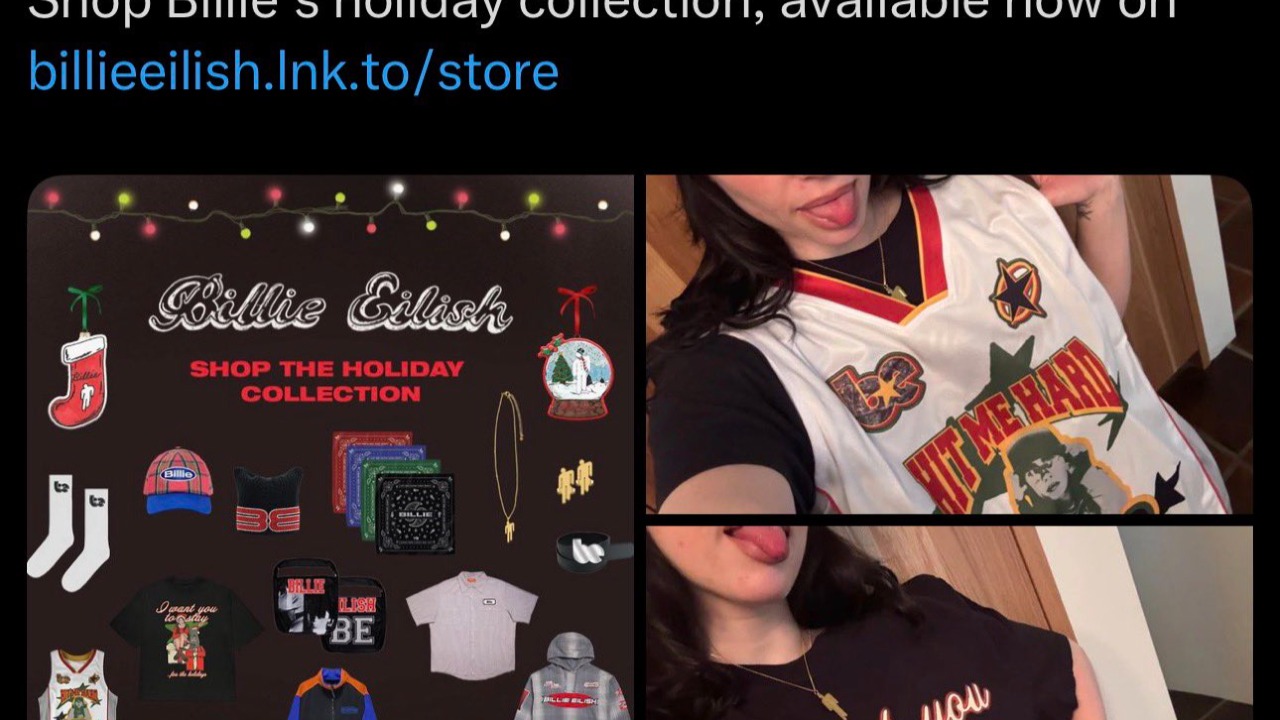
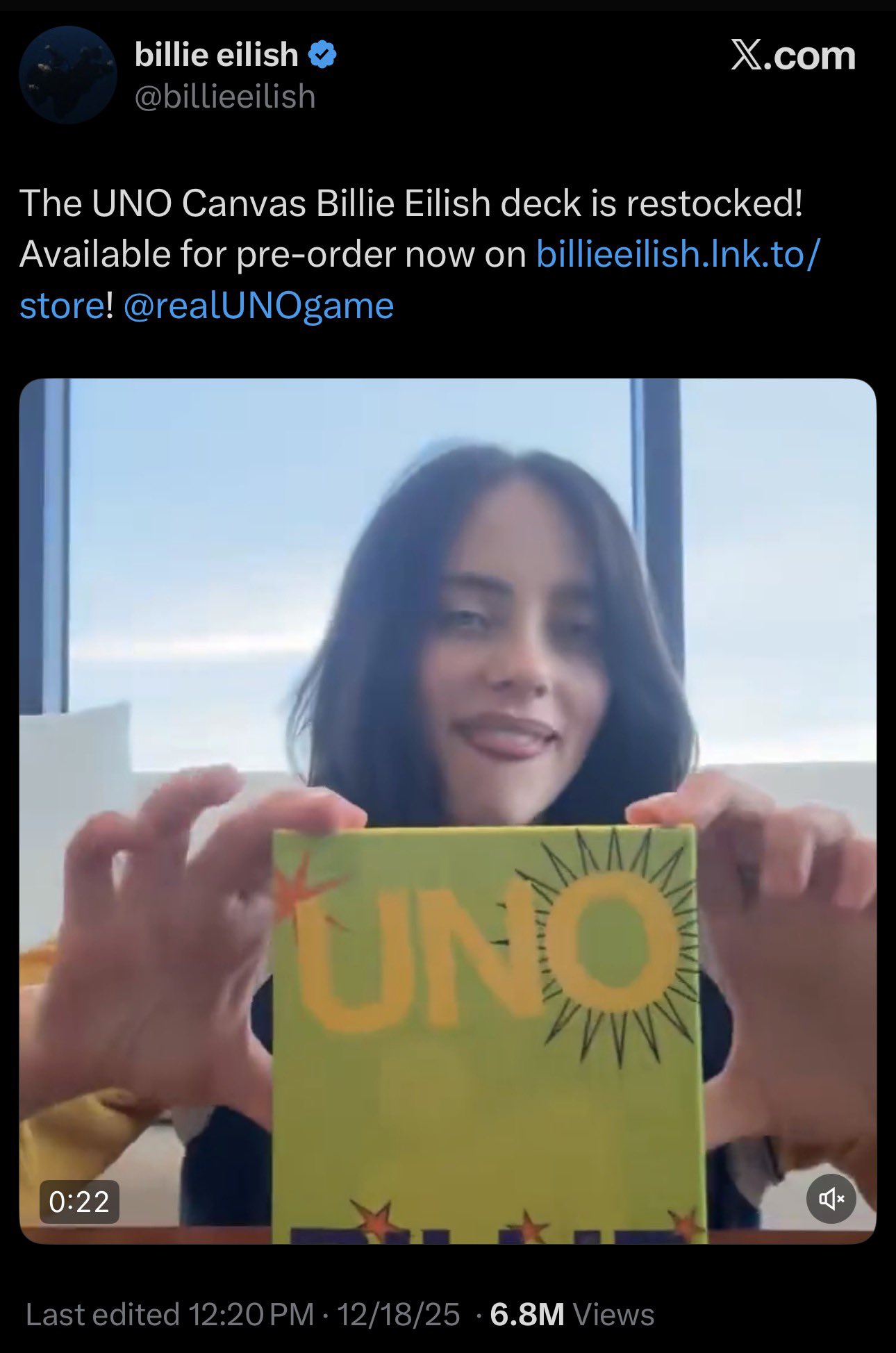
- Limited merch
- Vinyl drops
- NFTs (rebranded as “community artifacts”)
- Patreon access
- Exclusive “anti-system” experiences
Because when the message is anti-capitalism, every purchase feels like support, not consumption.
Your audience doesn’t think:
“I’m buying a product”
They think:
“I’m helping a cause”
Dark Side Hustle Strategy #3: The Perpetual Underdog Narrative
Capitalism hates one thing:
Winners who admit they’ve won.
So you never do.
No matter how big you get:
- You’re still “independent”
- Still “fighting the system”
- Still “one bad month away”
- Still “doing it for the art”
This narrative has no expiration date.
Even success becomes framed as:
“Despite capitalism, not because of it”
Dark Side Hustle Strategy #4: Delay the Wealth Reveal Until It Doesn’t Matter
This strategy has a timeline.
Phase 1 (Ages 18–25 audience)
- Full anti-capitalist posture
- Relatability over polish
- Financial opacity
- Maximum alignment
Phase 2 (Ages 25–30 audience)
- Audience ages
- Responsibilities increase
- Ideology softens
- Cynicism replaces outrage
Phase 3 (30+ audience)
- Nostalgia dominates
- They no longer care how rich you are
- You become a “voice of their youth”
- Your wealth is reframed as “deserved”
By the time people realize:
“Wait… this person is rich”
It’s already irrelevant.
Dark Side Hustle Strategy #5: Outsource Capitalism, Perform Resistance
The cleanest trick is distance.
Let:
- Managers negotiate
- Labels take heat
- Merch companies handle margins
- Platforms process payments
You stay emotionally pure.
If fans complain:
“That’s the industry, not me”
This keeps your hands clean while money flows uninterrupted.
Why This Is So Effective in Music (But Spreads Everywhere)
Music is uniquely suited for this hustle because:
- It’s emotional
- It’s identity-linked
- It’s youth-driven
- It thrives on authenticity theater
But this model is spreading to:
- Writers
- Visual artists
- Streamers
- Podcasters
- Activist influencers
Anywhere identity, grievance, or moral positioning can be monetized, this works.
Knowledge & Thought Industries
Writers & Intellectuals
- Substack essayists railing against “late-stage capitalism” while charging subscriptions
- Book authors critiquing wealth inequality while doing paid speaking tours
- Op-ed columnists attacking corporations while syndicating content to corporate media
- “Anti-career” writers selling productivity courses
- Anti-hustle writers monetizing newsletters about burnout
Academics & Public Thinkers
- Professors critiquing capitalism via paid MOOCs
- Think tanks publishing “anti-capitalist” research funded by donors
- Conference speakers attacking markets at $5,000 per keynote
- Grant-funded scholars criticizing private enterprise
- Policy commentators selling advisory retainers
Media & Content Creators
YouTubers
- Anti-corporate commentary channels running ads and sponsorships
- “Why capitalism is broken” explainers monetized with affiliate links
- Anti-work YouTubers selling courses on content creation
- Reaction channels dunking on billionaires while building personal brands
Podcasters
- Anti-capitalism podcasts with Patreon paywalls
- Hosts critiquing billionaires while selling premium memberships
- Political podcasts funded by venture capital
- “System is rigged” shows monetized with merch and live tours
Streamers
- Anti-work streamers accepting donations during rants
- Anti-corporate gaming streamers with Twitch subs
- Streamers criticizing capitalism while optimizing donation psychology
- Political streamers monetizing outrage cycles
Social & Cultural Influence
Activist Influencers
- Climate activists selling eco-merch
- Anti-consumerism creators promoting ethical product affiliates
- Social justice pages running sponsored posts
- Protest-aesthetic brands built on rebellion messaging
Lifestyle Influencers
- “Minimalism vs capitalism” creators monetizing courses
- Anti-luxury influencers running high-ticket coaching
- Ethical living influencers selling digital guides
- Slow-life creators monetizing brand deals
Mental Health Influencers
- Burnout content blaming capitalism + paid therapy workshops
- “Capitalism made you depressed” reels + coaching offers
- Trauma creators monetizing healing communities
- Wellness influencers selling subscriptions
Creative Industries
Visual Artists
- Anti-corporate art NFTs
- Protest art sold at premium galleries
- Street-art aesthetics turned into fashion collabs
- Anti-brand art that becomes a brand
Designers
- Anti-consumerist fashion labels
- “Ethical design” studios charging premium rates
- Designers criticizing fast fashion while selling limited drops
- Radical aesthetics repackaged as luxury
Filmmakers
- Anti-capitalist documentaries funded by streaming platforms
- Indie films criticizing markets while chasing box office returns
- Festival films monetized through grants and distribution deals
- “System critique” content licensed globally
Education & Coaching
Coaches
- Anti-hustle coaches selling $3,000 programs
- Career-exit mentors monetizing exit plans
- Anti-corporate life coaches
- Burnout coaches selling freedom frameworks
Course Creators
- “Escape capitalism” courses
- Freelancing courses framed as rebellion
- Creator economy teachers criticizing the economy
- Anti-boss playbooks sold digitally
Politics & Ideology
Political Commentators
- Anti-capitalist commentators with large media contracts
- Political pundits monetizing rage cycles
- Independent journalists running subscriber models
- Movement leaders building personal platforms
NGOs & Advocacy Groups
- Anti-corporate NGOs with large operating budgets
- Campaign groups selling donor memberships
- Activism brands monetizing mailing lists
- Foundations critiquing markets while investing capital
Tech & Internet Culture
Crypto Critics
- Anti-crypto influencers monetizing crypto skepticism
- Critics selling consulting to regulators
- Anti-speculation content funded by platforms
AI Critics
- “AI is destroying workers” creators selling newsletters
- Anti-automation speakers charging appearance fees
- Tech ethics influencers monetizing fear narratives
Platform Critics
- Creators criticizing social media while relying on it
- Anti-algorithm channels optimizing thumbnails
- Digital detox brands monetizing screen-time guilt
Spiritual & Identity Spaces
Spiritual Leaders
- Anti-materialism gurus selling retreats
- Anti-wealth teachings monetized via donations
- Ascetic branding with premium pricing
- Enlightenment content behind paywalls
Religious Influencers
- Anti-worldly messaging with monetized channels
- Moral critique packaged into subscription communities
- Faith-based creators monetizing resistance narratives
Corporate & Institutional Forms
Consultants
- DEI consultants critiquing capitalism inside corporations
- Ethics consultants monetizing moral positioning
- ESG advisors selling compliance frameworks
Brand Strategists
- Anti-brand branding agencies
- Rebellion-aesthetic marketing firms
- Culture-jamming consultants
- Purpose-driven monetization strategists
Meta Layer (The Final Irony)
Anti-Capitalism Itself
- Anti-capitalist conferences with ticket sales
- Anti-capitalist books with bestseller campaigns
- Anti-capitalist merch
- Anti-capitalist platforms monetized by ads
The Pattern (What’s Really Being Sold)
- Moral alignment
- Shared resentment
- Identity signaling
- Emotional validation
- Belonging
- Permission to consume without guilt
Capitalism doesn’t get destroyed by its critics.
It absorbs them.
If you want, I can:
- Map this into a repeatable monetization framework
- Turn it into a dark side hustle playbook
- Or help you build a directory / niche site exposing or leveraging this pattern
The Brutal Truth
Most audiences don’t hate capitalism.
They hate:
- Losing
- Being excluded
- Feeling stupid
- Feeling powerless
An artist who “hates capitalism” symbolically:
- Validates those feelings
- Gives them a voice
- Makes them feel morally superior
And in return, they give you:
- Attention
- Money
- Loyalty
- Time
That’s not rebellion.
That’s a perfectly optimized market exchange.
Final Thought
Capitalism doesn’t fear people who hate it.
It absorbs them.
And the most profitable position in the modern creative economy is not:
- The loudest critic
- The best artist
- The most talented performer
It’s the one who understands this equation:
If you sell the feeling of resistance, you never have to escape the system — the system will reward you for pretending to.
That’s the hustle.