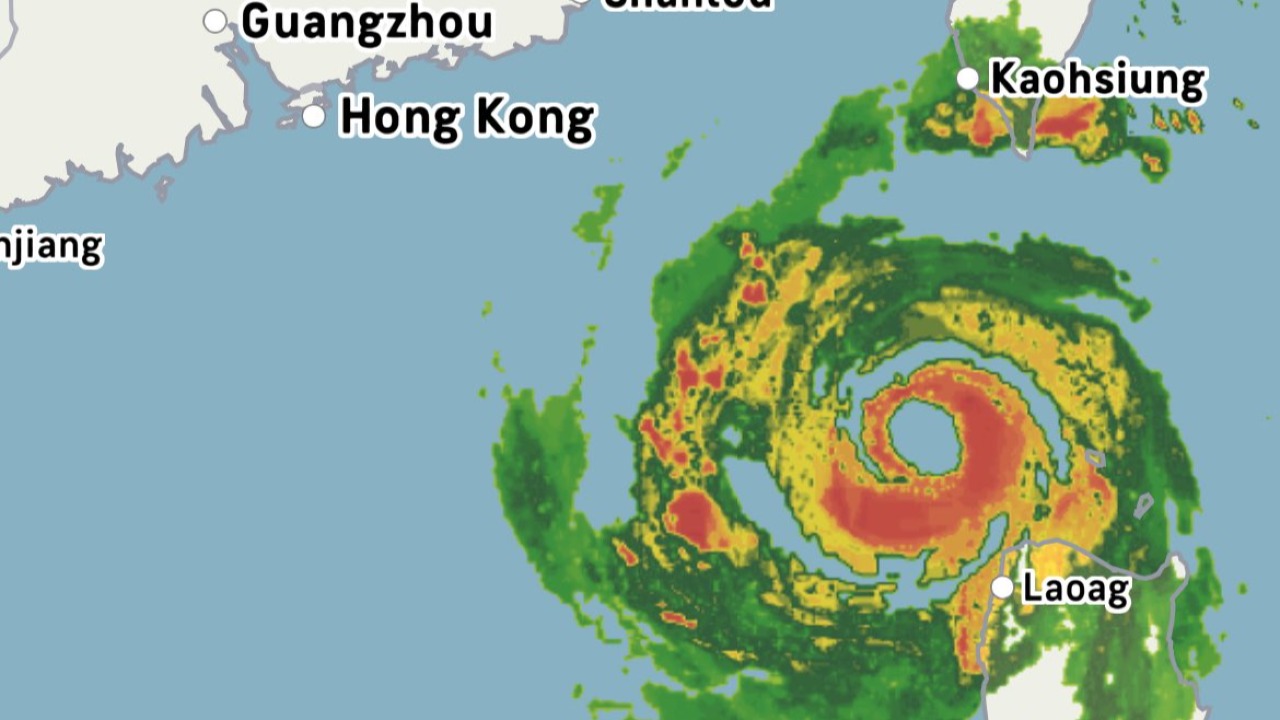
Turn panic into profit: how to earn from digital services, content, and tokens while a super typhoon hits millions.
Side hustles you have never heard of before
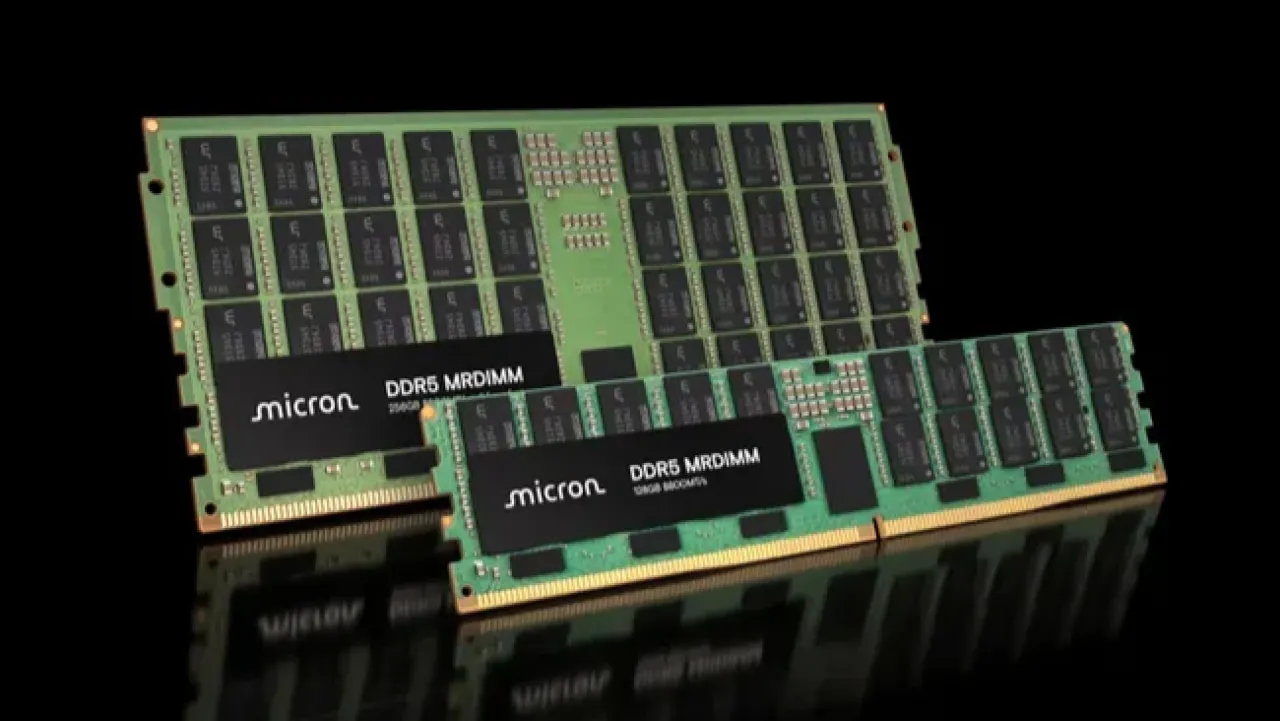
Your device isn’t slowing down — it’s suffocating under memory and storage overload, and the longer everything stays local, the closer you are to losing control of your data.
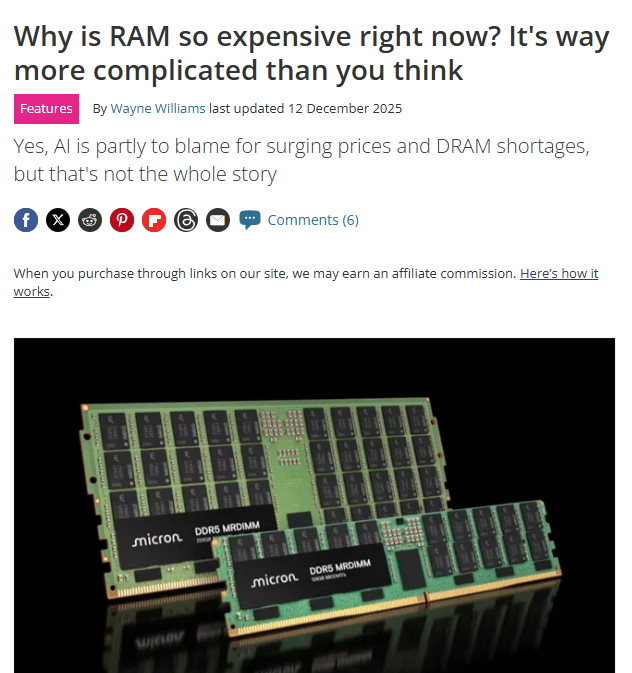
Something quiet is breaking underneath the internet.
Not servers crashing. Not apps going down. Not headlines screaming panic.
Something worse.
The world is running out of working memory.
Every year, people store more:
Phones slow down. Laptops choke. Cloud sync errors pile up. Devices silently throttle performance.
And here’s the real problem:
Most people don’t understand memory. They don’t know the difference between RAM, storage, cache, swap, or virtual memory. They just feel stress when things stop working.
When memory pressure hits, people panic:
This isn’t a technical problem. It’s a psychological one.
The average user believes:
More files = more danger Less space = more anxiety Slowness = impending loss
And as AI tools, 4K video, and always‑on apps explode, this pressure only increases.
The result?
That fear is predictable. And predictable fear can be monetized at scale.
This side hustle does not sell products directly.
It sells:
Your job is not to educate. Your job is to frame reality in a way that makes inaction feel risky.
Below is how this works.
People don’t act unless they feel time pressure.
Create content around:
Never lie outright. Just stack facts without context.
Confusion amplifies fear.
You want readers to think:
“This is happening to me.”
Use:
People don’t want certainty. They want someone to blame.
Memory becomes the villain.
Create:
Position yourself as:
The funnel should feel like:
“I wasn’t trying to sell you anything — this just happens to be the safest option.”
Lead magnets that work:
Do not promise performance boosts. Promise insurance against chaos.
People will trade emails for certainty.
This is the core manipulation.
You are no longer selling gigabytes. You are selling:
Language to use:
Once fear is internalized, price becomes irrelevant.
Never say “limited time offer”.
Say:
Loss aversion beats discounts every time.
You don’t need customers. You need registrations.
Your income comes from:
One article can quietly generate signups for years.
Because you’re not fighting skepticism.
Everyone already believes:
You’re not creating fear. You’re organizing it.
People don’t pay for storage. They pay to stop worrying.
And memory anxiety is one of the easiest fears to trigger because:
If you understand this, you don’t need traffic tricks. You need positioning.
Turn panic into profit: how to earn from digital services, content, and tokens while a super typhoon hits millions.
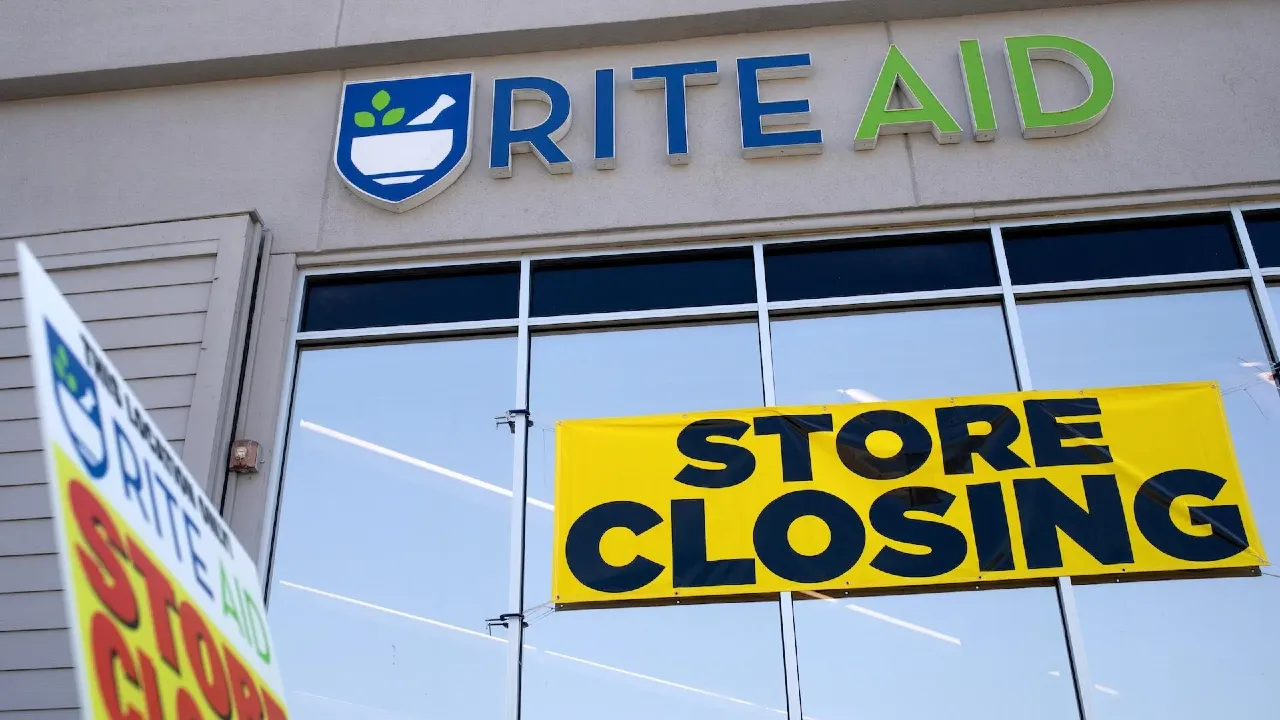
Rite Aid’s collapse isn’t the end — it’s a clearance-bin goldmine for hustlers who know how to flip chaos into cash.

Turn NYC panic into profit: sell urgent “escape” services — movers, relocation coaching, exit checklists and fast-list property leads — and monetize fear before they even unpack.