Side Hustle Trends and Ideas
Side hustles you have never heard of before
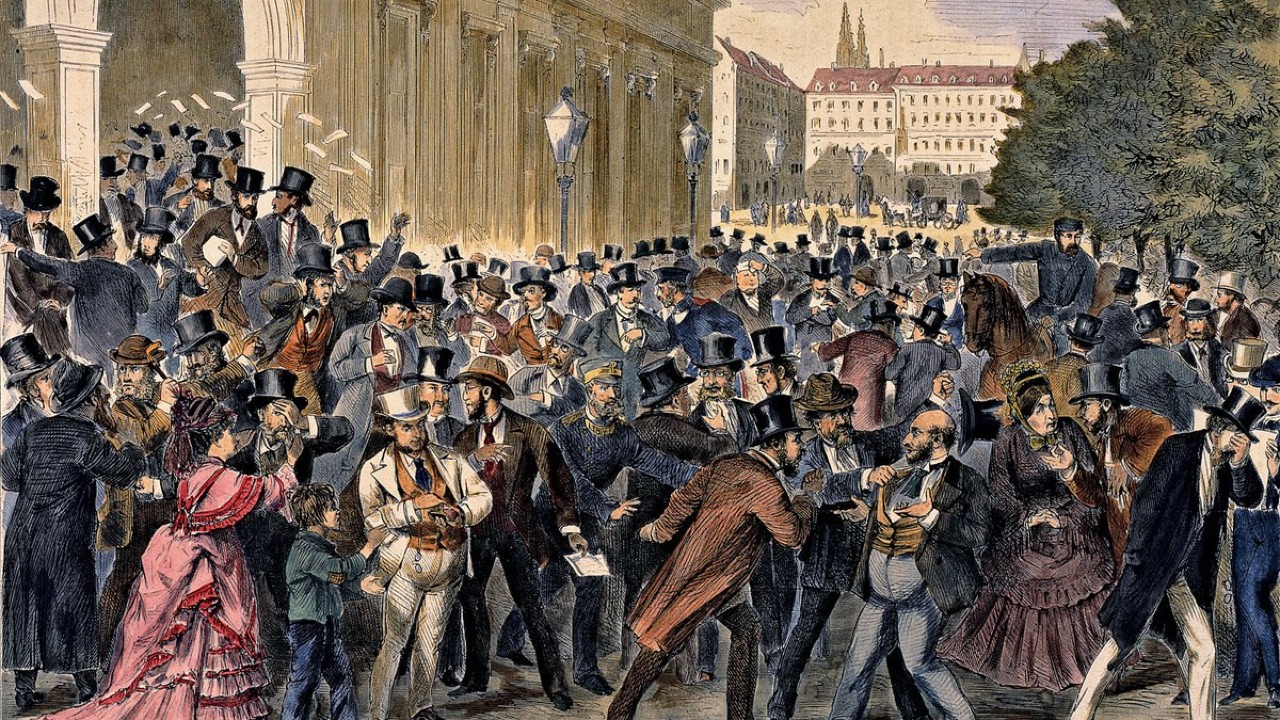
The Next Depression Won’t Look Like 1929 — It’ll Look Like 1873
When infrastructure is overbuilt and hope is undercut, the winners aren’t dream sellers — they’re **comfort providers and attention routers
(And That’s Where the Money Will Be)
Most people study the Great Depression of the 1930s.
That’s a mistake.
If you want to understand what’s likely coming between 2030–2035, you need to look further back — to the Long Depression of the 1870s.
Because the setup is eerily similar.
The Historical Parallel No One Is Talking About
1870s: The Railroad Bubble
In the mid‑19th century:
- Capital flooded into railroads
- Everyone believed rail = inevitable growth
- Infrastructure was built far ahead of real demand
- Speculation outpaced actual usage
Railroads were real. They were transformative. They were the future.
They were also massively overbuilt.
When returns didn’t materialize fast enough:
- Credit tightened
- Companies collapsed
- Banks failed
- Wages stagnated
- Growth slowed for decades
This wasn’t a crash-and-recover event. It was a long compression.
2030s: The AI & Data Center Bubble
Now look at today:
- Trillions flowing into AI
- Massive data centers being built
- Compute capacity scaling faster than profitable use cases
- Everyone assuming AI demand will justify everything
AI is real. It is transformative. It is the future.
But infrastructure is again being built ahead of sustainable demand.
History doesn’t repeat — but it rhymes.
What Actually Happens During Long Depressions
This is where most people get it wrong.
A long depression is not:
- Breadlines everywhere
- Total collapse
- Universal poverty
It’s worse.
It’s:
- Stagnant wages
- Job insecurity
- Asset deflation
- Long periods of “nothing works”
- Slow erosion of optimism
And most importantly:
People psychologically retreat.
Expected Public Behavior (Based on History)
1. Escapism Explodes
When upward mobility stalls, people don’t fight the system — they escape it.
In past depressions:
- Cheap entertainment surged
- Serialized fiction thrived
- Spectator sports grew
- Gambling increased
- Alcohol, tobacco, and “small vices” spiked
In the next one:
- Streaming
- Gaming
- AI companions
- Parasocial content
- Nostalgia media
- Fantasy, anime, alternate realities
People won’t want ambition. They’ll want relief.
2. The Lipstick Index Returns
During economic stress:
- People stop buying big dreams
- They still buy small comforts
Historically:
- Cosmetics outperform luxury goods
- Affordable indulgences thrive
- “Treat yourself” spending persists
Translated forward:
- Subscriptions under $20
- Digital goods
- Micro-upgrades
- Small status signals
- Personal indulgences that feel “earned”
Big purchases die. Small pleasures survive.
3. Distrust in Institutions Grows
Long depressions destroy faith slowly.
People stop believing:
- Education guarantees success
- Corporations will take care of them
- Governments know what they’re doing
They don’t revolt. They withdraw.
This fuels:
- Cynicism
- Anti‑establishment narratives
- Individual survival thinking
- Side hustles over careers
The Dark Side Hustle Insight
You do not position for growth.
You position for:
- Stagnation
- Fatigue
- Escapism
- Psychological survival
This is where money quietly moves.
How to Position (Strategically, Not Loudly)
1. Build Escapism Infrastructure
Not content — distribution.
Examples:
- Content directories
- Aggregators
- Recommendation engines
- Niche entertainment hubs
- AI‑assisted content consumption tools
You don’t need to create joy. You need to route attention.
2. Monetize Small Comforts
Avoid anything that feels like:
- Big commitments
- Expensive aspirations
- Long timelines
Focus on:
- Cheap wins
- Instant relief
- Emotional regulation
Subscriptions beat products. Digital beats physical. Recurring beats one‑off.
3. Sell Stability, Not Upside
In long depressions, people stop chasing upside.
They want:
- Predictability
- Control
- Safety
- Continuity
Side hustles that win:
- Backup tools
- Organization systems
- Planning software
- Skill maintenance
- “Don’t lose what you have” products
Fear of loss dominates hope of gain.
4. Become an Interpreter, Not a Predictor
People won’t trust bold forecasts.
They will trust:
- Explainers
- Translators
- “What this means for you” guides
Newsletters. Dashboards. Calm analysis.
Clarity becomes a product.
Why AI Overbuild Helps You (Indirectly)
When infrastructure overbuilds:
- Margins collapse
- Competition increases
- Prices fall
- Tools commoditize
That’s bad for builders. It’s great for middlemen.
Just like railroads:
- The real winners weren’t the builders
- It was those who used the cheap capacity
AI abundance will make:
- Content cheaper
- Automation accessible
- Small operators powerful
But demand will be psychological, not technical.
The Final Pattern to Understand
Long depressions don’t create chaos.
They create:
- Low expectations
- Emotional exhaustion
- A craving for distraction
- A desire to “get through the day”
If you build for:
- Escape
- Small pleasures
- Stability
- Meaning-lite (not purpose, just relief)
You don’t need a bull market.
You just need human nature.
One Line to Remember
When infrastructure is overbuilt and hope is undercut, the winners aren’t dream sellers — they’re comfort providers and attention routers.