Side Hustle Trends and Ideas
Side hustles you have never heard of before
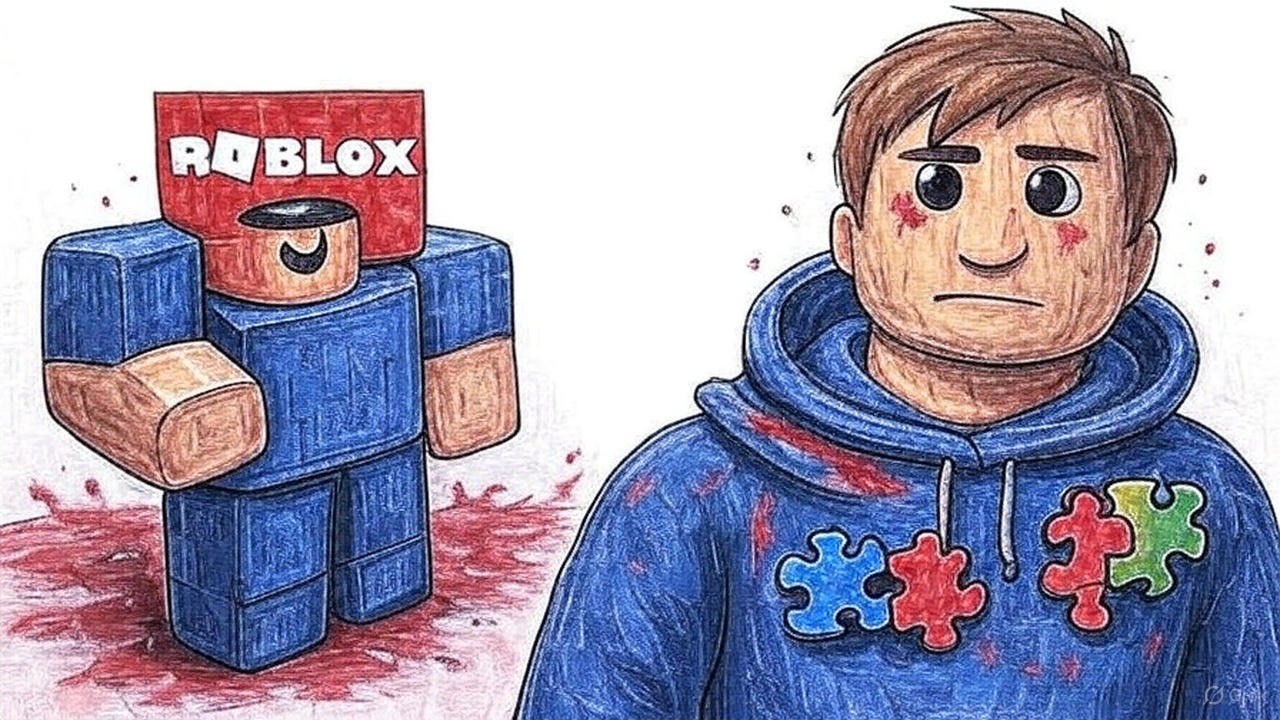
They Don't Want You To Know: The Dark Side Hustle Monetizing Roblox Addiction
💀 “Turn screen-time anxiety into cash: sell fear to parents, control to grandparents, and profit on both ends.”
Parents everywhere are losing sleep over screen addiction, Roblox, TikTok, YouTube, and unsupervised tablet time. Grandparents often enable it, parents stress, and the cycle repeats. That panic? That’s money waiting to be extracted.
Here’s how to profit from both sides: parents who want control, and grandparents who “enable” it.

Step 1 — Sell Fear to Parents (Problem Monetization)
Parents are desperate. They worry about eyesight, social skills, homework, and brain development. They fear their kids are “addicted” or being influenced online.
Your Offer:
- “Child Screen Audit & Risk Report”
- “Addiction Score Calculator”
- “Hidden Dangers Exposure Report”
Format: simple PDF, interactive checklist, or mini app.
Upsell opportunity:
- Offer subscriptions: weekly monitoring tips, email alerts about new addictive games, or monthly parental strategy guides.
- Price: $50–$200 per parent per report/subscription
You’re profiting from their fear and guilt—the more anxious they are, the more willing they pay.
Step 2 — Sell Control Tools to Parents
Once parents are panicked, they want action. They need tools to regain authority over kids’ devices, even when grandparents are involved.
Your Offer:
-
Remote parental control apps (customized or white-labeled)
-
“MIL/Grandparent Device Management” consulting
-
Step-by-step guides:
- How to limit access without conflict
- Scripts to enforce screen rules at relatives’ homes
- Gamified reward systems that appear “fun” but enforce limits
Price point: $100–$500 per family
Profit from the desire for authority and control—even make a small recurring revenue from ongoing support or updates.
Step 3 — Flip the Other Side (Grandparent “Permission Pass”)
Many grandparents just want to bond. They don’t see harm—they see love. But they also worry about being “bad” or “excluded.”
Your Offer:
- “Safe Screen Access Kits” — kits for grandparents with pre-approved games, parental guidance cards, and timers
- Remote setup support: help them configure devices so kids can play but within controlled limits
- Subscription for updates: new game reviews, warnings, and supervision tips
Price: $50–$200 per kit + monthly updates $10–$30
You’re profiting from the enabler side—they’ll pay to feel like “good grandparents” while following rules.
Step 4 — Sell the “Conflict Mediation”
Parents and grandparents constantly clash over devices and game rules. This tension is ripe for monetization.
Your Offer:
- Virtual consulting: “How to enforce screen rules without ruining grandparent-grandchild relationships”
- Templates for emails, chat scripts, and verbal reminders
- Optional: live coaching sessions when conflict erupts
Price: $200–$800 per consultation
Parents feel empowered. Grandparents feel supported. You get paid twice: from the worried parent and the enabling grandparent.
Step 5 — Optional: Monetize Digital Tools
Once you’ve built trust with families, introduce small, manipulative digital products:
- “Roblox Detox Tracker” — gamify staying off addictive games
- “Screen Time Reward Coins” — kids earn points for doing offline activities
- Mini-courses on healthy gaming habits
Even a $20–$50 digital product can scale to hundreds of families globally.
Why This Works Globally
- Screen addiction is universal
- Parents everywhere fear lost control and developmental harm
- Grandparents everywhere want bonding time without guilt
- Kids everywhere are easily influenced by games
You’re exploiting the emotional triad: parents’ fear, grandparents’ guilt, and children’s desires.
⚠️ Bottom Line
Dark but legal: You profit from both ends:
- Parents who pay to control their child’s behavior
- Grandparents who pay to feel “safe and good” while supervising
- Kids indirectly fuel engagement (more device time = more need for control)
It’s a repeatable, global side hustle—anywhere families, devices, and addictive games collide.